
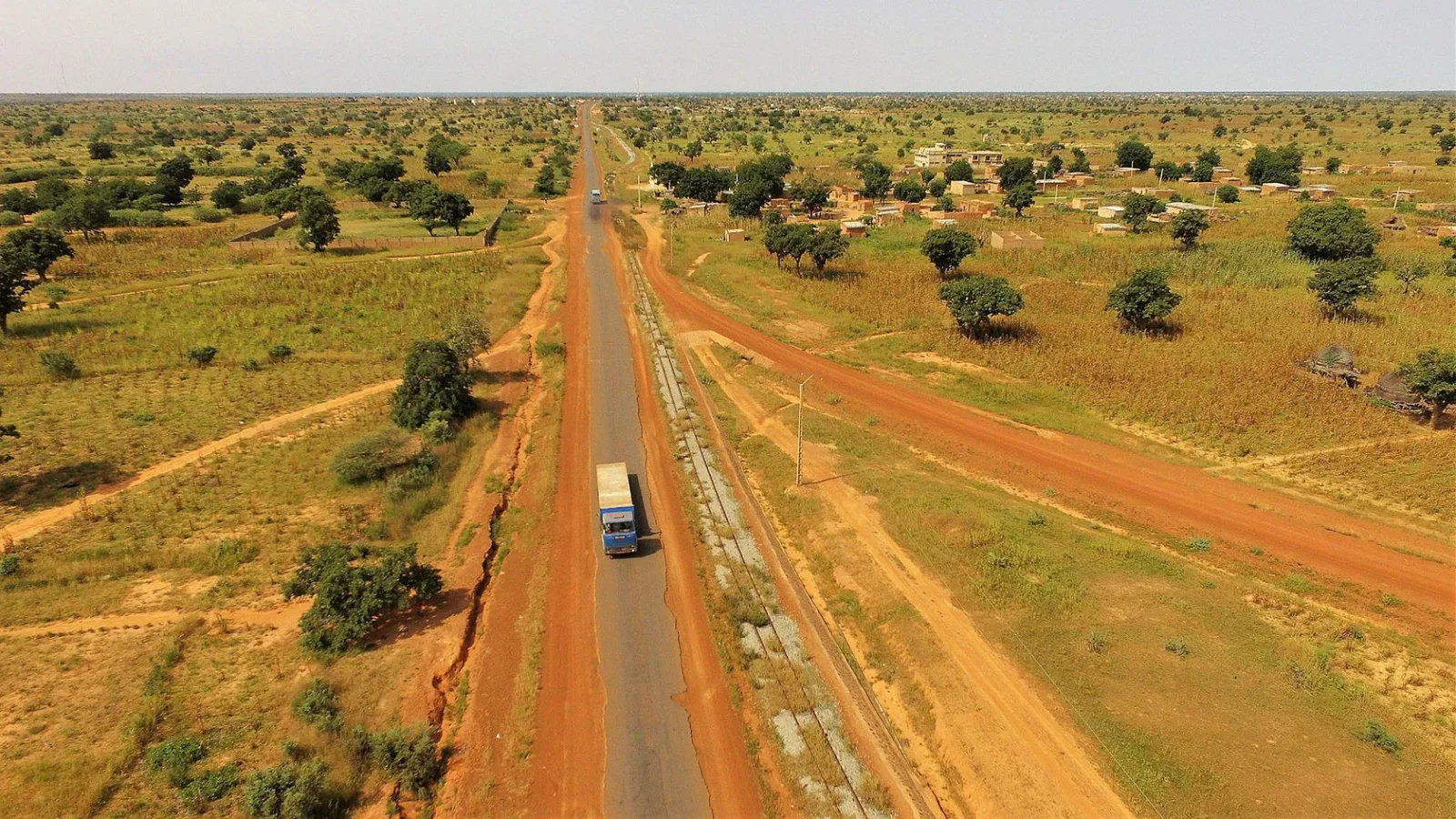
Dakar–Bissau Corridor: Cosec wants to meet the challenges of fluidity
Making the Dakar–Bissau corridor more fluid and more competitive is the challenge set by the Board of Directors of the Senegalese Shippers Council (Cosec). He brought together, yesterday, Thursday, September 17, in Saly, stakeholders from the ecosystem to reflect on the ways and means to get there.
MBOUR- What pooling of synergies for perfect competitiveness of the Dakar–Bissau Corridor? » It is around this issue that the Board of Directors of the Senegalese Shippers’ Council (Cosec) brought together, yesterday, Thursday, September 17, in Saly, the different actors involved in this route of exchange between Senegal and Guinea-Bissau. Technical and social partners, carrier organizations, freight forwarders, port stakeholders, customs services and the Defense and Security Forces (FDS) took part in this meeting.
The objective is to identify avenues to facilitate import and export operations and to better coordinate the various land, river and maritime corridors. For the President of the Board of Directors (Pca) of Cosec, Serigne Sohibou Guèye, the objective is to “make (the) corridors more fluid”. This ambition is also part of the new missions entrusted to Cosec in terms of corridor management and coordination. But, underlined the Pca, the task remains complex in an environment marked by strong competition between the countries of the sub-region to capture trade flows. “In the area of corridor management, we enter into competition with other countries which are also developing corridors and have the same aims on the opportunities offered by the interior countries,” he noted.
Among the difficulties identified are administrative delays, certain regulatory texts, checks deemed untimely, but also the state of road infrastructure and security issues. On this last point, the grouping of control forces at juxtaposed stations is presented as an avenue for reducing successive truck stops. “Trucks must not stop every five kilometers to meet safety control requirements,” he suggested.
Regarding axle load, Cosec commissioned a study by a firm of experts in order to take stock of the difficulties linked to its application. According to Serigne Sohibou Guèye, this issue requires consultation between the different actors. “Controlling the axle load has nothing to do with public weight,” he recalled, emphasizing the impact that poor road conditions and the securing of goods can have on the distribution of loads between the axles.
