
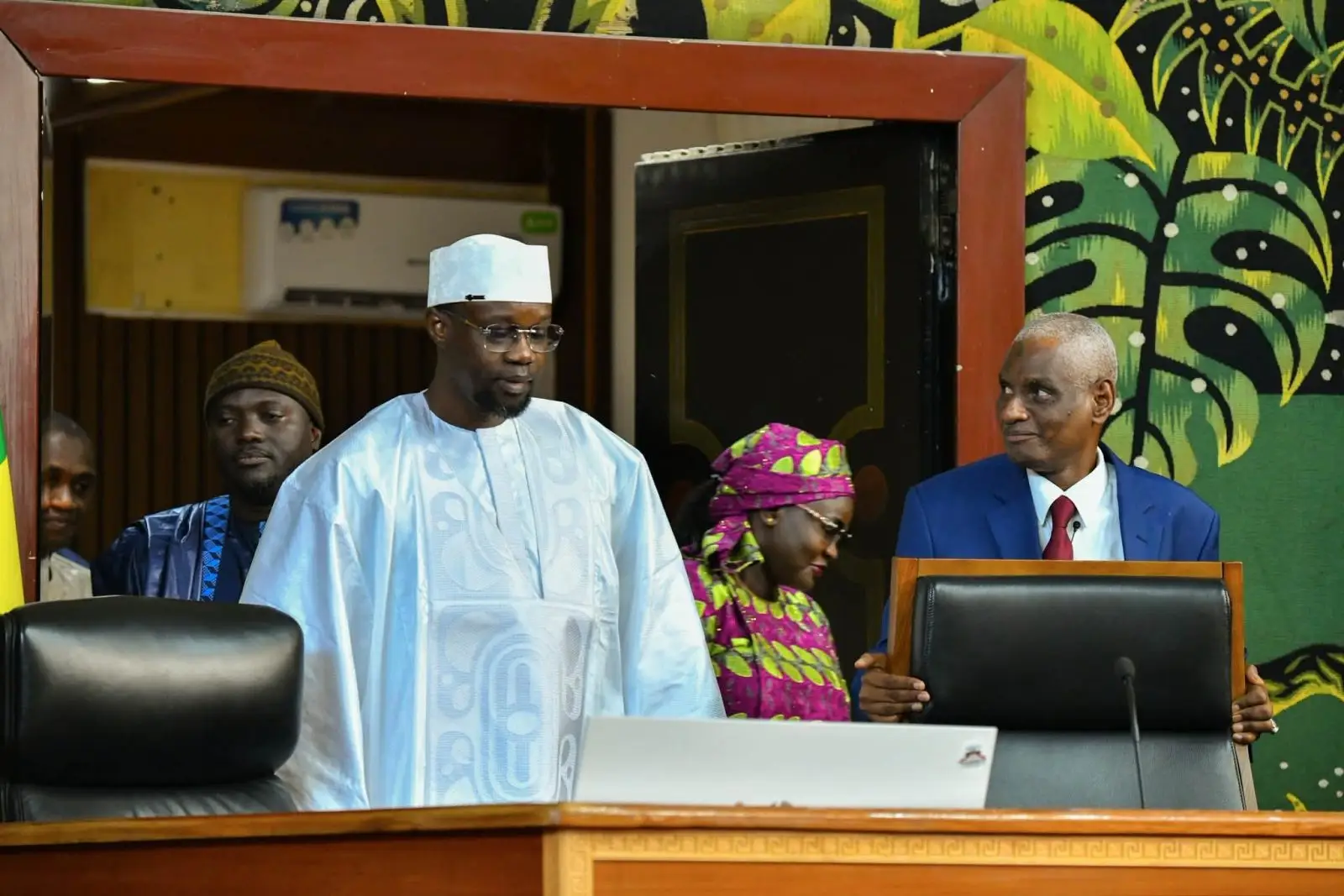
National Assembly: several legislative texts on the menu for the third extraordinary session
The National Assembly opened its third extraordinary session of the year this Friday, September 18, 2026. Several legislative texts as well as a parliamentary fact-finding mission report are included on the agenda of this session.
The deputies resume their work. The National Assembly opened its third extraordinary session of the year this Friday, in accordance with the provisions of the Constitution and the Internal Regulations of the parliamentary institution.
This new session will be devoted to the examination of several projects and legislative proposals relating to issues of national interest. The work will also allow MPs to continue their mission of monitoring public action and providing parliamentary information.
Several legislative texts under examination
Among the texts on the agenda is the bill amending Law No. 2016-09 of March 14, 2016 establishing the ECOWAS biometric identity card.
The deputies will also examine the proposal for organic law no. 2020-07 of February 26, 2020 relating to finance laws. This text appears alongside the proposed law amending law no. 2019-03 of February 1, 2019 on the Petroleum Code.
The agenda also includes proposed law no. 39/2026 relating to health in prisons. This aims to strengthen the health care of detained people.
The Softcare Product Marketing Report
As part of the control of public action and parliamentary information, the deputies will also examine the report of the parliamentary information mission relating to the marketing of Softcare brand products.
Through this exercise, the National Assembly thus continues its role of monitoring issues of interest to the national community, in addition to its legislative activity.
A session devoted to the examination of texts and the control of public action
This third extraordinary session of the year is part of the continuity of parliamentary work. It combines the examination of legislative texts relating in particular to civil status, public finances, the oil sector and health in prisons, with the control of public action and the information of deputies.
The work of this session will thus allow the parliamentary institution to continue examining the various subjects on its agenda.
CG DIOP
