
South Pole territory: a rich but underexploited land, according to a study
The results of the monographic study presented on Friday August 21, 2026, in Ziguinchor, as part of the Competitiveness and Jobs Acceleration Program (Pace), revealed the dynamism of the South Territory Pole with its immense potential (agriculture, forestry resources, tourism, geographical position, etc.), but which still remains largely underexploited.
ZIGUINCHOR – The South Territory Pole has resources, but is still struggling to transform them into jobs, income and added value. This is one of the main lessons of the monographic study, the results of which were presented yesterday, Friday August 21, during a meeting devoted to the economic prospects of the territory. According to the study, the economy of the South Pole remains heavily dependent on the primary sector, particularly agriculture.
The territory also has a significant forest heritage, with more than 100,000 hectares in the Ziguinchor region alone. In 2023, the cluster represented, moreover, 41% of national agricultural production, with a high concentration of cereal crops in Kolda and Sédhiou. But behind these encouraging figures lies a bleak reality: low transformation, isolation, unemployment and poverty persist in an area that is nevertheless rich in natural resources.
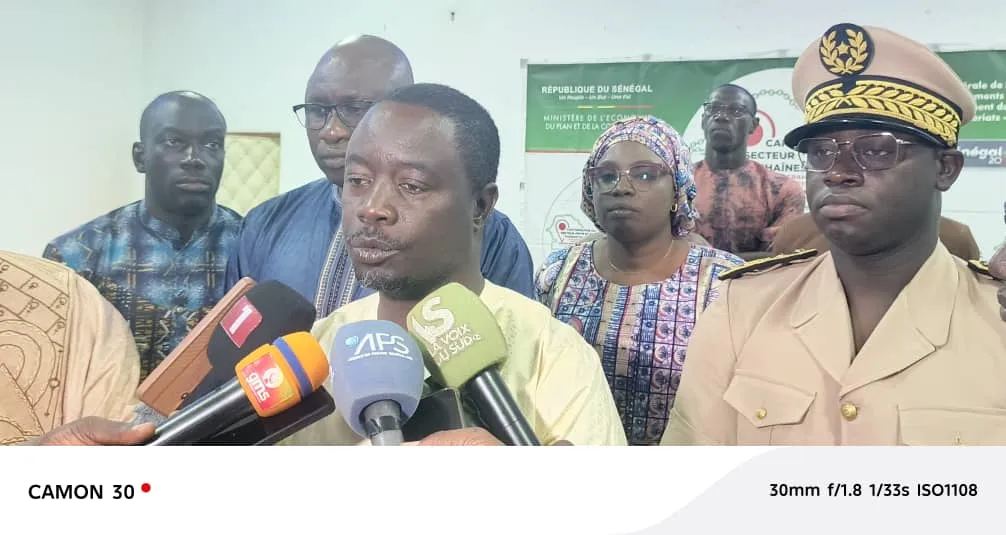
“For a long time, the State has been at the center of investment and development, leaving little room for the private sector. Today, we must change our logic and think more about the economy of the territorial poles, at all scales,” recommended Moussa Sall, consultant to the Pace task force of the Ministry of the Economy, Finance and Planning.
Also read: Ziguinchor: when land promises self-sufficiency
For him, the South Pole suffers above all from a fragmented economy. “We are facing an economy shared between the formal and informal sectors, with youth unemployment estimated at between 35 and 40%,” he explained. The paradox is even more striking when it comes to transformation.
“Ziguinchor has approximately 2.4 million hectares of potentially cultivable land, a significant coastline rich in fishing resources, a strategic port and a considerable tourist heritage. However, agriculture still creates very little added value: only 2 to 3% of the mango is processed and the territory loses a significant part of the value of the cashew nut by exporting the raw nut,” Mr. Sall diagnosed.
“Several manufacturers established in the region end up closing because they are unable to secure their supply of raw materials. A large part of mango production thus remains without real value due to lack of processing,” lamented Moussa Sall. Faced with this situation, he is banking on Pace and above all “on the structuring of value chains and giving the private sector a real place in the different links”, insisted the consultant.
An analysis shared by the second vice-president of the Ziguinchor Departmental Council, Alphousseyni Diédhiou. “This study will allow us to better understand the potential of the South Pole and will also serve as a reference document for our planning,” declared the president’s aide Georges Mansaly.
